
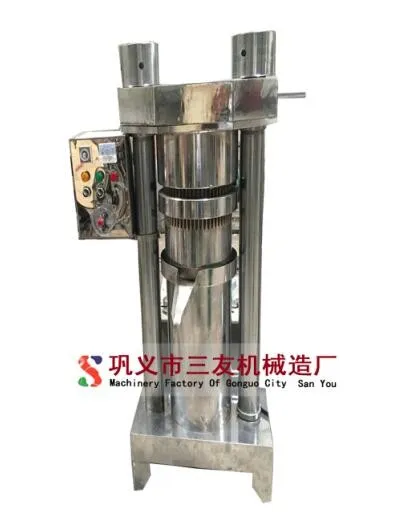
Compare batch hydraulic pressing and continuous screw pressing by material, cycle, labour, cleaning and expansion.
What this guide helps you decide
- Compare operating models before comparing machine names.
- Batch time and changeover can matter more than a headline capacity.
- Ask for material-specific demonstrations and a written scope.
- Leave interfaces for filtration, storage and future expansion.
Start with the production rhythm
A screw press generally supports a continuous feed-and-discharge rhythm, while a hydraulic press works through repeated loading, pressing and unloading cycles. The practical choice depends on how the workshop will operate, not only on which machine claims a larger output.
Describe the material before the machine
Oilseed type, size, moisture, preparation and oil content influence both routes. A material that works well in one demonstration may need different preparation or settings in another. Write the material specification down before requesting comparable offers.
Write down the assumptions behind every capacity, output or quality claim before comparing quotations.
Convert cycle claims into daily output
For a hydraulic press, define batch mass, press time, loading, unloading and cleaning. For a screw press, define feed stability, warm-up, stops and downstream bottlenecks. Both should be converted into a realistic daily scenario using the same operating hours.
Compare labour and cleaning
Batch equipment may require more repeated handling, while continuous equipment may require stable feed and attention to jams and wear. Cleaning between materials, cake handling and oil collection should be observed in a demonstration or described step by step.
Check the complete process
The press is only one stage. Preparation equipment, filtration, storage and filling can limit the workshop. A lower-cost press may create more manual work or a product that requires additional clarification.
Make the quotation comparable
Ask each supplier to itemize the main machine, motor and controls, feed and discharge arrangements, spare parts, commissioning and training. State which utilities and installation work remain with the buyer.
Comparison and project inputs
| Question | Hydraulic batch press | Screw continuous press |
|---|---|---|
| Operating pattern | Defined cycles and repeated handling | Continuous feed and discharge |
| Main output driver | Batch mass, pressure profile and cycle time | Material, preparation, feed and press settings |
| Changeover | Chamber and cake-handling cleanup between batches | Feed line, press and discharge cleanup between materials |
| Support focus | Hydraulic power unit, seals and pressure controls | Screw and cage wear, feed stability and jam recovery |
Require every supplier to use the same material, preparation assumption, working hours and measurement basis. A demonstration without those conditions is only a visual reference.
Buyer checklist
- Representative raw material, oil or container sample
- Target daily input or output and operating schedule
- Destination power and utility information
- Finished-product route and market requirements to verify
- Available workspace, existing equipment and planned expansion
Questions to discuss before committing
Which press is easier to operate?
That depends on the actual workflow. Batch handling can be simple but repetitive; continuous operation can reduce manual loading but needs stable feed and attention to wear and jams.
Can a hydraulic press be used for larger production?
It can be considered when batch organization and cycle time fit the plan. Compare realistic daily output and labour, not only chamber size.
Should I buy filtration at the same time?
Plan the interface even if filtration is added later. Crude oil still needs a defined receiving, clarification and storage route.
View the related equipment page · Discuss your project · Explore equipment · Open the setup planner