
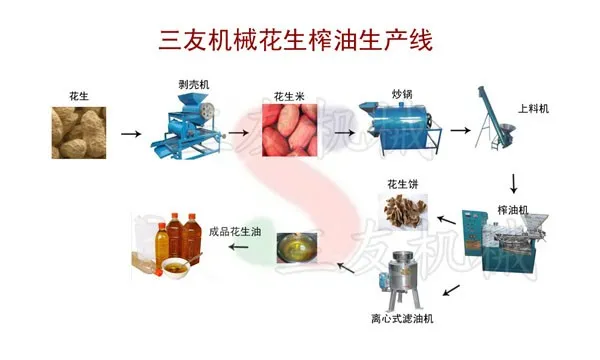
Avoid hidden rework by planning space, utilities, transfer points and quality checks for later stages.
What this guide helps you decide
- Define the next two stages, not a hypothetical factory of unlimited scope.
- Space and utilities are easier to preserve than to rebuild.
- Every module needs clear input, output and cleaning boundaries.
- A staged plan should state what is deliberately deferred.
Write the expansion sequence
List the stages that may be added, their likely order and the trigger for each investment. A press, filtration or filling stage should have a defined input and output rather than an open-ended future label.
Reserve practical space
Leave room for access, material handling, maintenance and temporary storage. A rectangle on a layout drawing is not useful if a tank cannot be lifted or a filter cannot be opened.
Write down the assumptions behind every capacity, output or quality claim before comparing quotations.
Plan electrical and utility capacity
Record available power, starting loads, compressed air, water, heating, drainage and ventilation. Future equipment should not depend on an assumed utility upgrade that has no location or budget.
Set transfer interfaces
Decide now whether oil will move by gravity, pump or container. Nozzle heights, tank outlets and pipe routes are difficult to change after equipment is installed.
Define cleaning and changeover
More products and stages create more cleaning boundaries. Identify which equipment will be dedicated, which will be shared and what validation is required.
Keep a controlled project file
Maintain material specifications, approved quotations, drawings, utilities, commissioning records and change decisions. Expansion planning fails when the next team cannot find the assumptions behind the first installation.
Comparison and project inputs
| Area | What to preserve |
|---|---|
| Space | Access, maintenance, lifting and buffer zones |
| Power | Spare capacity and route for future panels |
| Liquid handling | Drains, tanks, pumps and transfer points |
| Information | As-built drawings, settings and commissioning records |
Buyer checklist
- Representative raw material, oil or container sample
- Target daily input or output and operating schedule
- Destination power and utility information
- Finished-product route and market requirements to verify
- Available workspace, existing equipment and planned expansion
Questions to discuss before committing
Should I buy the complete line first?
Not necessarily. A modular start can reduce initial risk if the first stage has clear inputs, outputs and expansion interfaces.
What is the most expensive expansion omission?
It varies, but undersized access, utilities and tank or piping locations often cause more rework than the later machine itself.
Can the same space process several oilseeds?
Sometimes, but changeover cleaning, material compatibility and storage must be planned explicitly.
View the related equipment page · Discuss your project · Explore equipment · Open the setup planner