
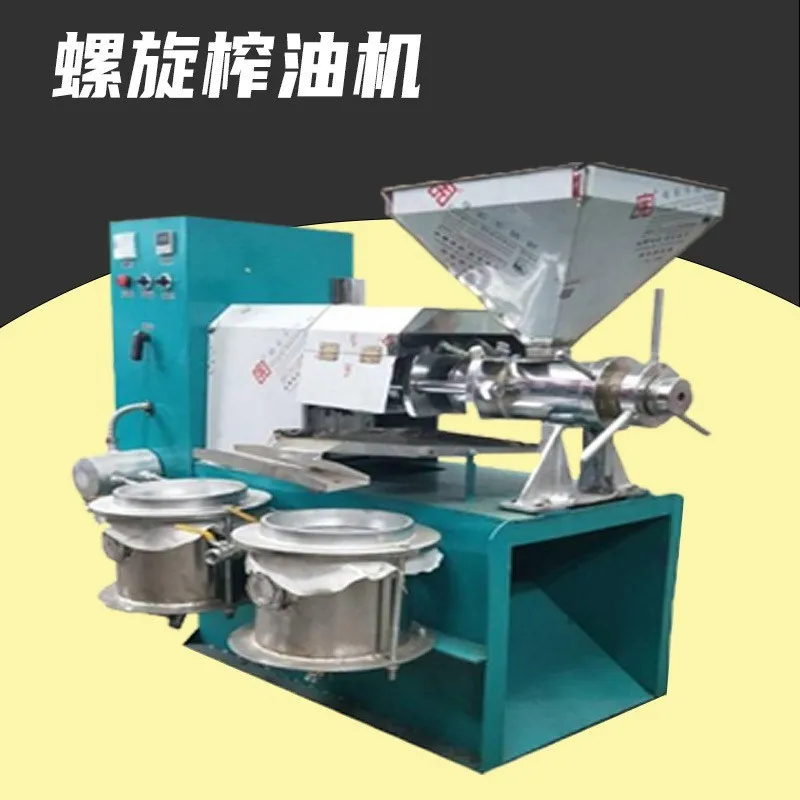
Plan a palm-kernel workshop around separated kernels, contamination control, pressing wear and downstream oil handling.
What this guide helps you decide
- Palm kernel processing begins after the kernel is separated from palm fruit.
- Shell content and moisture affect wear, handling and oil quality.
- Define whether the capacity basis is kernel input or crude-oil output.
- Clarification, storage and refining belong in the same project discussion.
Separate palm fruit from palm kernel
Palm-fruit processing includes sterilization, threshing, digestion and pressing of the fruit. Palm-kernel processing starts with kernels that have already been separated. Mixing these scopes leads to incorrect equipment lists and unrealistic space planning.
Control kernel condition before pressing
Kernel size distribution, moisture, shell content and storage condition influence flow and wear. Define acceptance criteria and the removal or inspection steps before material reaches the press.
Write down the assumptions behind every capacity, output or quality claim before comparing quotations.
Plan protection and maintenance
Abrasive shell residue can increase wear on feed, screw and discharge components. Ask which parts are replaceable, what inspection interval is recommended and whether spare screws, liners or screens should be kept on site.
Define the crude-oil route
Pressed kernel oil still needs a receiving, filtration or settling, storage and transfer plan. If refining is planned, the intended finished product and required treatment stages should be defined before selecting the press.
Use representative material tests
A test with clean, ideal kernels may not represent the actual supply. Ask for results using material with a documented shell and moisture condition, and record how oil, cake and power consumption were measured.
Build a staged line
A practical start may include receiving, cleaning, pressing, filtration and storage. Additional preparation, refining or filling can follow after the material and market route are understood.
Comparison and project inputs
| Item | Why it matters |
|---|---|
| Kernel source | Defines contamination and material variability |
| Shell and foreign material | Affects wear, jams and oil handling |
| Moisture and storage age | Affects preparation and pressing behavior |
| Finished-oil route | Determines clarification, refining and packaging scope |
Buyer checklist
- Representative raw material, oil or container sample
- Target daily input or output and operating schedule
- Destination power and utility information
- Finished-product route and market requirements to verify
- Available workspace, existing equipment and planned expansion
Questions to discuss before committing
Can a palm-fruit press be reused for palm kernels?
Do not assume so. The material and wear conditions differ. Each configuration must be confirmed by the supplier.
What should a palm-kernel capacity figure specify?
It should state whether it refers to kernel input per hour, crude-oil output, cake output or a finished product after filtration.
Is refining always needed?
No. The need depends on the incoming oil and finished-product requirement. Clarification and refining are separate decisions.
View the related equipment page · Discuss your project · Explore equipment · Open the setup planner