
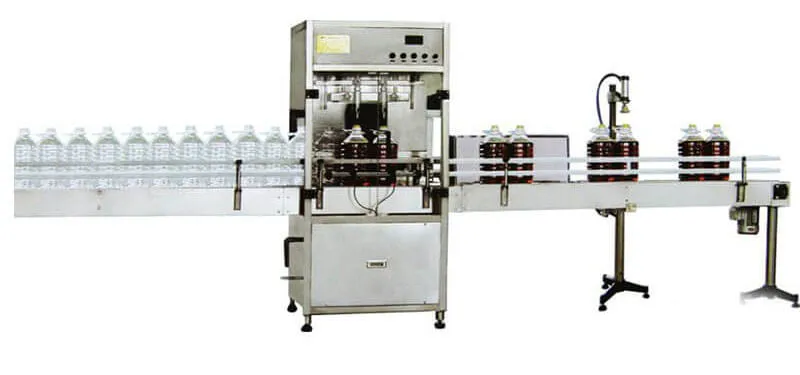
Plan the line around real bottles, caps, fill sizes and the oil supply before selecting individual packaging machines.
Begin with container samples
Prepare a list of the container sizes and materials you expect to use. Include cap and label samples. The same nominal volume can be sold in bottles with different shapes, necks and stability on a conveyor.
Map the complete packaging task
Decide how containers arrive, how oil is supplied, how filled containers are closed and how finished packs leave the line. Identify the manual steps you intend to retain so the proposed automation has a clear boundary.
Specify changeover and checks
Ask how the equipment changes between sizes and how the operator confirms fill quantity and closure quality. Include cleaning access, change parts and batch identification in the discussion rather than focusing only on nozzle count.
Compare realistic production schedules
Use the same bottle and fill size when comparing output. Allow for replenishment, changeover and routine cleaning in the working day. Check whether the filling stage or another packaging task limits the complete line.
Prepare these details
- Bottle, cap and label samples
- Oil supply and filling-temperature brief
- Pack sizes and production schedule
- Cleaning, changeover and quality checks
Discuss a practical configuration
Send your material, required input, working schedule, country and available power supply. We can use that brief to discuss a single machine, a coordinated workshop setup or a future production line.
View related equipment · Explore raw-material solutions · Discuss your project