
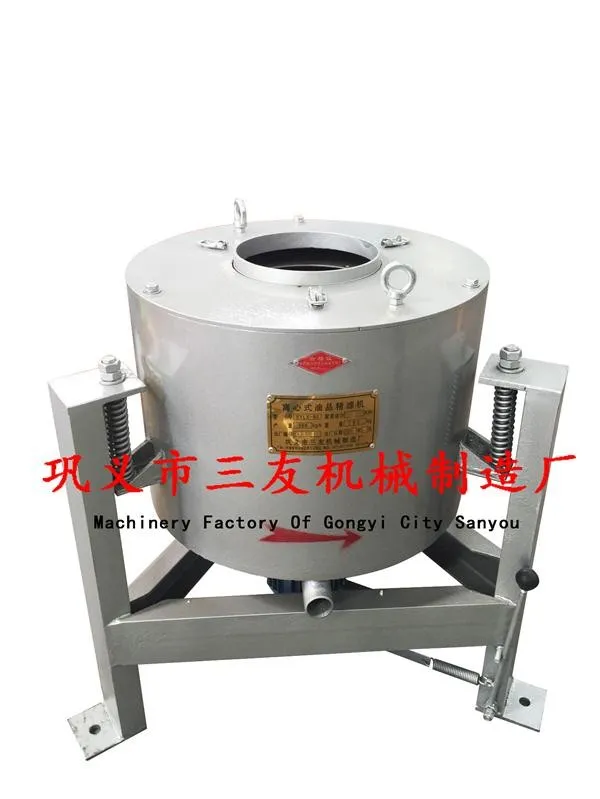
Compare two oil-clarification approaches using solids load, cleaning, operating pattern and downstream requirements.
Clarification is not refining
Filtration or separation can remove suspended solids from pressed oil, but it does not by itself establish that the oil meets a finished edible-oil specification.
Plate filters emphasize media-based capture
Plate and frame arrangements use filter media and controlled flow. Selection should include plate size, media, feed pressure, cleaning and solids handling.
Write down the assumptions behind every capacity, output or quality claim before comparing quotations.
Centrifugal filters emphasize continuous separation
Centrifugal equipment may suit a different operating pattern, but the actual separation performance still depends on oil condition, solids load and maintenance.
Compare the full operating cycle
Include start-up, flushing, cleaning, media replacement, solids removal, downtime and operator attention. A faster headline flow does not help if cleaning interrupts the schedule.
Confirm the upstream and downstream arrangement
The feed pump, oil temperature, receiving tank and transfer to storage all affect performance. Clarification should be planned as a connected stage.
Run a sample-based discussion
Share the oil source, solids condition, expected flow and cleaning schedule. Ask each supplier which assumptions support its recommendation.
Buyer checklist
- Representative raw material, oil or container sample
- Target daily input or output and operating schedule
- Destination power and utility information
- Finished-product route and market requirements to verify
- Available workspace, existing equipment and planned expansion
Discuss your project · Explore equipment · Open the setup planner