
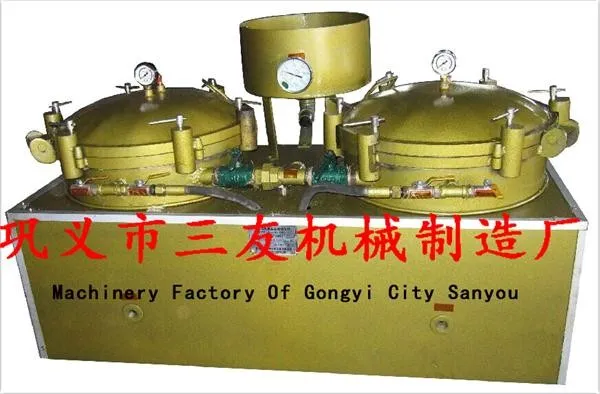
Compare vacuum-assisted and plate filtration by solids load, batch rhythm, media and cleaning.
What this guide helps you decide
- Filter selection starts with the feed oil and solids load.
- Media cost and cleaning time belong in the comparison.
- Filtration is clarification, not a substitute for refining.
- Define how used media and captured solids are handled.
Define what must be removed
Record the oil source, temperature, viscosity and observable solids. A filter selected without this information may work in a demonstration but block or bypass in regular production.
Understand the driving force
A plate filter typically uses pump pressure to move oil through filter media, while a vacuum filter draws oil through the medium into a receiving chamber. Each arrangement has different containment, cleaning and operator requirements.
Write down the assumptions behind every capacity, output or quality claim before comparing quotations.
Compare the full cycle
Include loading, filtration, draining, media handling, cleaning, reassembly and restart. A higher flow during the filtration step does not necessarily produce more usable batches per shift.
Cost the consumables
Filter media, seals and replacement parts should be priced in the same unit as production. Confirm availability and the cost of ownership over a realistic period.
Plan spill and solids handling
Wet media and separated solids need a defined container and disposal or recovery route. The area around the filter should allow controlled drainage and cleaning.
Validate with the actual oil
A filtration demonstration should use oil with a known condition. Record time, pressure or vacuum, clarity and the condition of the filter medium.
Comparison and project inputs
| Factor | Ask about plate filter | Ask about vacuum filter |
|---|---|---|
| Capacity basis | Feed condition and acceptable pressure rise | Batch or flow and vacuum stability |
| Media | Grade, area, replacement and disposal | Grade, support, replacement and solids removal |
| Cleaning | Drain, open, wash and reassemble time | Chamber, medium and receiving-tank cleaning |
| Safety | Pressure and spill controls | Vacuum relief, overflow and containment |
Buyer checklist
- Representative raw material, oil or container sample
- Target daily input or output and operating schedule
- Destination power and utility information
- Finished-product route and market requirements to verify
- Available workspace, existing equipment and planned expansion
Questions to discuss before committing
Which filter gives clearer oil?
Clarity depends on the medium, oil condition and procedure. Both approaches require representative testing rather than a generic claim.
Can filtration replace refining?
No. Filtration targets suspended solids. Refining is a broader treatment decision based on the oil and finished-product specification.
How often will media need replacing?
That depends on solids load, filter area and operating practice. Ask for a method to estimate consumption from the project data.
View the related equipment page · Discuss your project · Explore equipment · Open the setup planner