
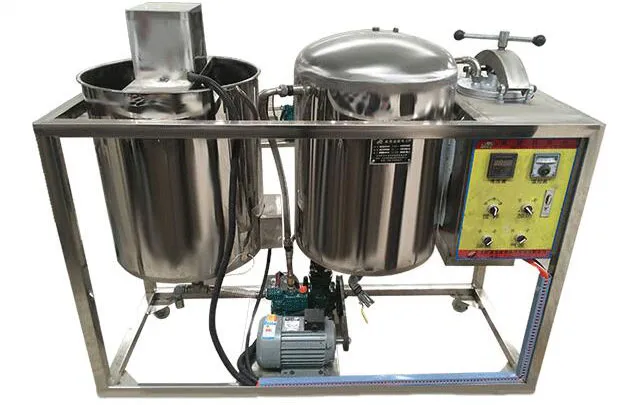
Decide whether filtration, refining and packaging belong in the first project scope or a later expansion.
Begin with the product you intend to sell
Filtered bulk oil, refined bulk oil and packaged retail oil create different equipment, quality and operating requirements. The first scope should follow the actual sales plan.
Filtration and refining solve different problems
Filtration removes suspended solids. Refining may include several treatment operations selected from the crude oil and target specification. One should not be described as a substitute for the other.
Write down the assumptions behind every capacity, output or quality claim before comparing quotations.
Bottling adds a packaging system
Filling, capping, labelling and cartoning require container samples, fill control and a clear downstream workflow. Packaging is a separate project layer from oil extraction.
Assess utilities and operating capability
Refining and bottling can introduce heating, vacuum, water, wastewater, compressed air, cleaning and quality-control requirements. Plan these before comparing equipment prices.
A modular start can reduce risk
A small mill may begin with preparation, pressing and filtration, then add refining or packaging after the material and market route are proven.
Keep the interfaces visible
Even when a stage is deferred, storage, transfer, electrical capacity and workspace should not make the later addition unnecessarily difficult.
Buyer checklist
- Representative raw material, oil or container sample
- Target daily input or output and operating schedule
- Destination power and utility information
- Finished-product route and market requirements to verify
- Available workspace, existing equipment and planned expansion
Discuss your project · Explore equipment · Open the setup planner