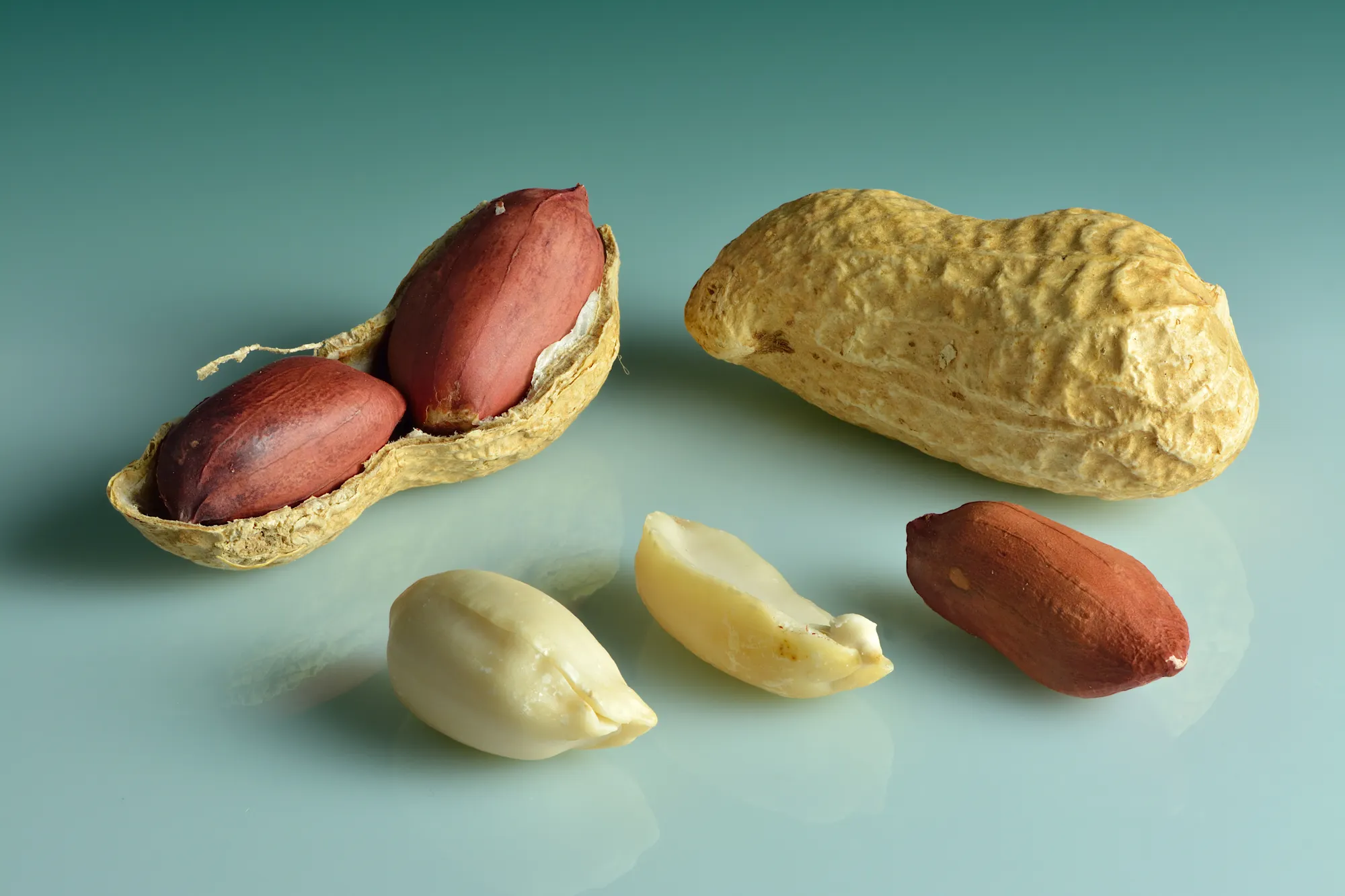
01. Cleaning & Preparation
Remove foreign material and consider shelling, crushing or conditioning according to the selected process.

From raw peanut preparation to pressing, filtration and optional refining or packaging, explore the equipment stages that may fit your production goals.
Ask About Peanut Oil Equipment ↗The correct route depends on peanut variety, incoming condition, capacity, oil quality goals and local food regulations.
Remove foreign material and consider shelling, crushing or conditioning according to the selected process.
Select a suitable press based on raw material condition, daily input and operating schedule.
Clarify crude oil using a filtration arrangement suitable for the oil condition.
Consider refining only where required by the target oil product and market specification.
Plan filling and packaging around container sizes, target output and sales channel.
Coordinate suitable stages into a layout that fits your space, utilities and budget.
Estimate raw material input per day and the number of operating hours. Do not confuse raw material input with finished oil output.
This affects whether shelling and separation equipment should be considered upstream.
Finished-product expectations determine whether filtration alone is sufficient or additional refining and packaging stages are required.
Plan peanut oil equipment from the incoming material and the oil product you intend to sell. Start with a practical single-machine scope or connect the required stages as a modular workshop.
Explore the relevant equipment stage. Discuss the incoming condition and the complete route before treating the reference equipment as a project recommendation.
Start with the required processing task and identify supporting preparation, collection or filtration equipment already available at the site.
Connect preparation, pressing and oil handling around a shared working schedule. Keep transfer, operator access and future expansion in the equipment discussion.
Define the full equipment boundary from incoming material to the intended oil product. Add refining or packaging only when the product brief requires it; agree on utilities and technical responsibilities separately.
Confirm compatibility and preparation with the supplier for the specific material and proposed configuration. A product-family description is not a substitute for a material trial.
That depends on the oil product, buyer requirements and operating plan. Start with a defined scope, then reserve practical connections and space for later stages.
Read the related planning guide · Browse equipment · Discuss this raw material