
Peanut Oil Workshop Configuration
Start by defining whether the purchased material is in shell or supplied as kernels. That decision affects the front end of the equipment list and the receiving area.
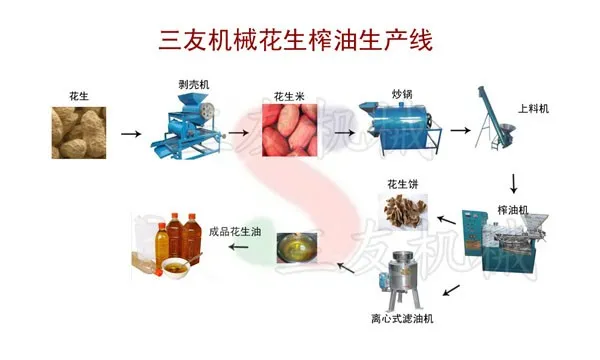
Start by defining whether the purchased material is in shell or supplied as kernels. That decision affects the front end of the equipment list and the receiving area.
Example process sequence
- Receiving and optional shelling
- Cleaning and agreed preparation
- Seed feeding and screw pressing
- Oil clarification
- Optional storage and packaging
Define the equipment boundary
Separate the main machines from conveyors, receiving vessels, pumps, electrical controls and cleaning provisions. Mark what is already available at the site and what each quotation includes. The sequence is a discussion framework rather than a final engineering design.
Selection checklist
- Shelling and seed-cleaning boundary
- Preparation matched to the intended oil product
- Press and filter working schedules
- Oil, cake and shell handling
Layout and working schedule
Prepare a simple site plan showing receiving, processing, product collection and movement of operators. Reserve access to routine service points. Use the same planned working hours when checking the handoff between stages, and identify the stage most likely to limit the complete process.
Compare a startup and an expansion scope
For a startup scope, list only the operations needed for the intended product. For an expansion, explain which bottleneck or new product requirement the added equipment should address. Keep future connections and utilities in the discussion without assuming that every workshop needs refining and bottling immediately.
View the main equipment · Watch supplier-reference demonstrations · Request a configuration discussion
Research reference: Sanyou equipment and workshop references. External equipment imagery illustrates a design, not confirmed YUNMAO supply or a YUNMAO installation.