
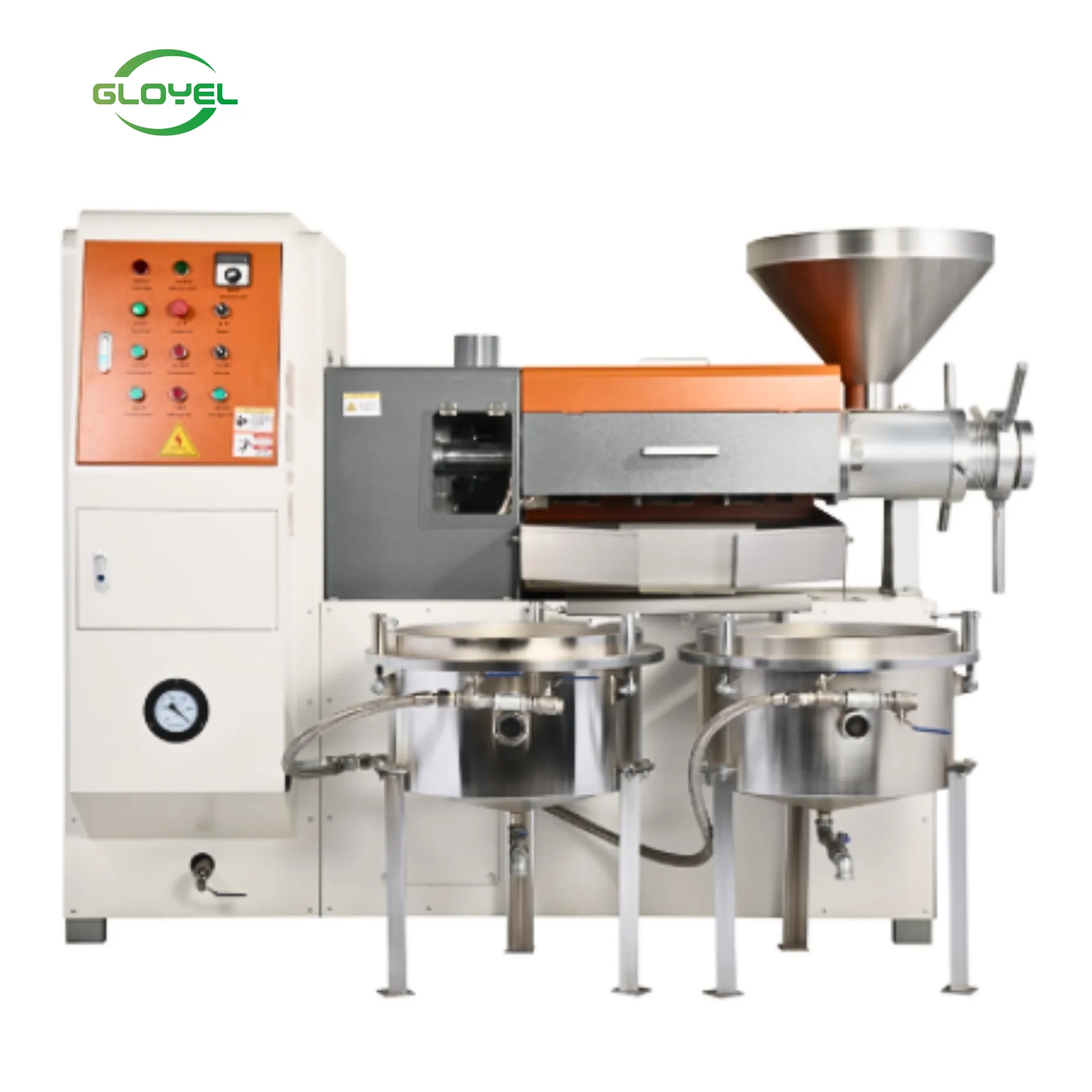
Choose an oil press by matching the feed material, preparation route and working schedule before comparing advertised output.
Define the job before choosing the machine
Write down what enters the workshop and what leaves it. In-shell groundnuts, cleaned sesame and prepared soybean feed are different starting points. Include the quantity available in a normal week and the product you intend to sell.
Compare on one measurement basis
Ask every supplier to use the same raw-material brief. Separate seed input from oil output and state the number of working hours. A motor rating alone does not establish suitable production output, and model names used by different manufacturers are not necessarily interchangeable.
Watch a complete demonstration
Request a trial that shows preparation, feeding, pressing and collection. Note warm-up, routine stops and cleaning. Ask which adjustments and wear parts are used for the tested material so the demonstration can be understood rather than judged from a short close-up.
Request a defined supply scope
Confirm the included motor, controls, filter arrangement and spare parts. Make the required power supply and the responsibilities for installation and training explicit. Keep a written list of assumptions with the quotation so later changes can be assessed.
Prepare these details
- Raw material and incoming condition
- Seed input per hour and hours per day
- Power supply and installation space
- Accessories, wear parts and service scope
Discuss a practical configuration
Send your material, required input, working schedule, country and available power supply. We can use that brief to discuss a single machine, a coordinated workshop setup or a future production line.
View related equipment · Explore raw-material solutions · Discuss your project