
Starting a small peanut oil mill is not simply a matter of choosing an oil press. Before selecting equipment, define what raw material you will receive, how much you intend to process, what kind of oil you plan to sell and which operations need to happen inside your workshop.
This guide introduces the main planning questions. It is an educational starting point; final process design and equipment specifications must be confirmed for the actual project.
Five decisions to make before requesting quotations
- Confirm whether peanuts arrive shelled, clean and properly stored.
- Define daily raw material input and planned operating hours.
- Decide whether your target is filtered oil or refined bottled oil.
- Check power supply, workshop space and material flow.
- Compare supplier data using the same test conditions.
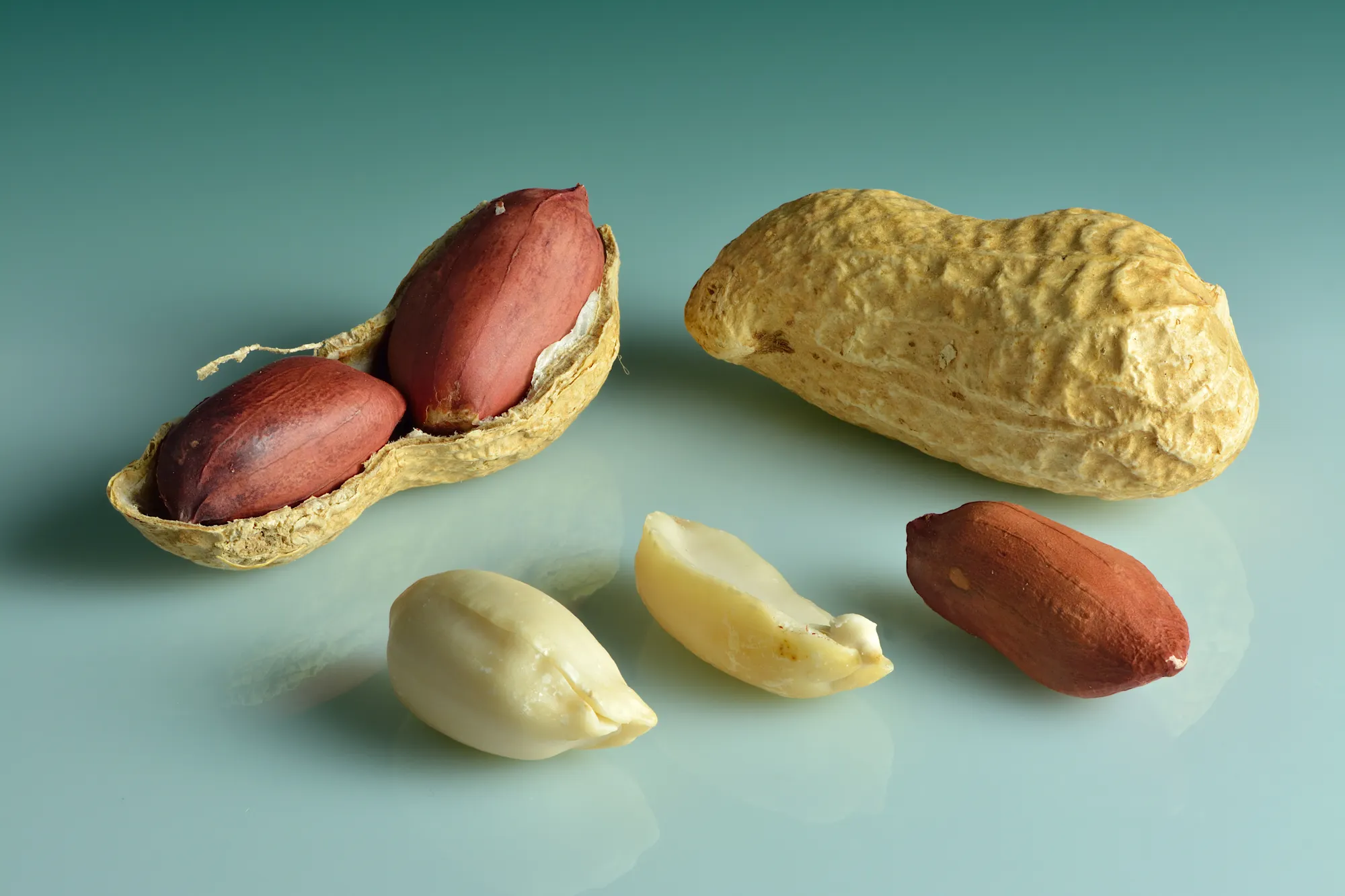
1. Define your raw material and daily input
Start by describing the peanuts you expect to process. Will they arrive in-shell or already shelled? Are they cleaned? How consistent are their moisture level, size and storage condition? These factors influence preparation requirements and the way the process should be arranged.
Next, define the amount of raw material you expect to handle per day. Daily input is not the same as finished oil output. Actual output depends on the raw material, preparation, press configuration, operating conditions and downstream handling.
Write down both your target input per day and the number of operating hours. This makes it easier to compare hourly capacity claims on a like-for-like basis.
2. Map the main process stages
A small peanut oil processing route may include several stages. The exact arrangement depends on the condition of the incoming peanuts and the finished product you intend to sell.
Do not assume every project needs every machine. For example, a business selling filtered oil may have a different equipment scope from a business producing refined and bottled retail oil.
3. Select the oil press and supporting equipment
When comparing screw oil presses, ask for the model number and a current technical datasheet. Check the rated input, test material, moisture and preparation conditions used for the capacity figure. Also confirm the motor, electrical requirements, machine dimensions, wear parts and maintenance access.
| What to compare | What to ask the supplier |
|---|---|
| Capacity | What raw material and test conditions support the stated kg/h? |
| Power | What motor power, voltage, frequency and phase are required? |
| Wear parts | Which parts need periodic replacement and are spares available? |
| Installation | What floor space, clearance and lifting arrangements are needed? |
| Support | What installation guidance, warranty and after-sales scope are included? |
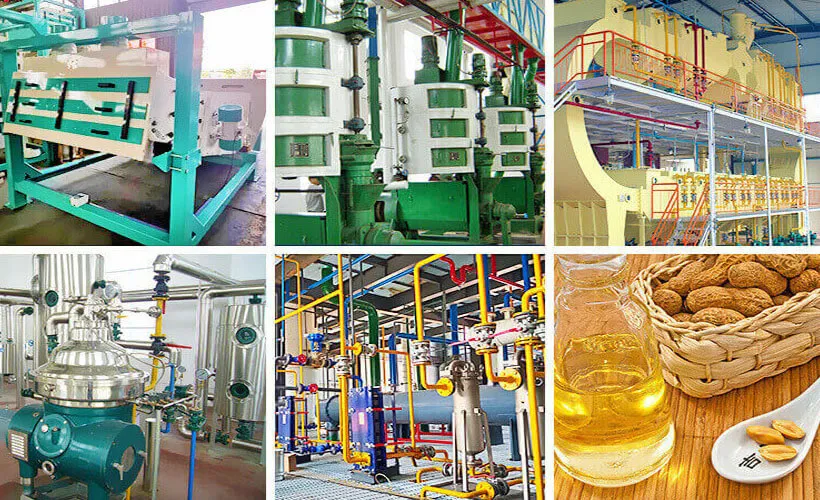
Screw Oil Press Machine
Review the product overview, specification checklist, image gallery, video slots and buyer FAQ.
View product details ↗4. Decide whether refining and packaging are needed
Filtered crude oil and refined edible oil are different product goals. Before adding refining equipment, define the quality and product requirements for your intended market and seek appropriate technical guidance. If you plan to sell bottled oil, also consider storage, filling accuracy, container types, capping, labeling and packaging workflow.
5. Check the workshop, utilities and material flow
Review the available floor area, access for unloading, raw material storage, finished oil storage, ventilation, drainage and the movement of people and materials. Confirm electrical supply with the equipment supplier, including voltage, frequency, phase and starting current where relevant.
6. Build a realistic project budget
Do not budget only for the oil press. Depending on your scope, account for raw material preparation, filtration, optional refining and filling, electrical installation, workshop preparation, packaging, spare parts, transport, installation and working capital. Request a clearly itemized quotation so you can understand what is included and excluded.
Use your own assumptions to explore a preliminary process route and simplified daily operating scenario. The tools are planning aids, not engineering design or profitability guarantees.
Buyer checklist: information to prepare
- Destination country and available voltage / frequency
- Peanut type and whether it arrives shelled or in-shell
- Target raw material input per day and operating hours
- Finished product: filtered oil, refined oil or bottled oil
- Available workshop area and existing equipment
- Expected project timeline and budget range
- Any local product, food safety or installation requirements to verify
Frequently asked questions
There is no single suitable daily input for every business. Start with your raw material supply, local demand, operating hours, available capital and intended sales model, then compare equipment capacity on a stated test basis.
Can one oil press process peanuts and other oilseeds?Some equipment may support multiple materials, but suitability is model-specific. Ask the supplier to confirm each material and any preparation or adjustment required.
Is refining equipment always necessary?No. It depends on the type of oil you intend to sell and the requirements of your market. Define the finished product before selecting downstream equipment.
What is the most important information for an initial quotation?Share the raw material, target daily input, destination country, power supply and finished product goal. These details help frame a more relevant equipment discussion.
Planning a peanut oil processing project?
Tell us about your raw material, daily input target and finished product. Start with a practical equipment conversation.
Discuss Your Project ↗