
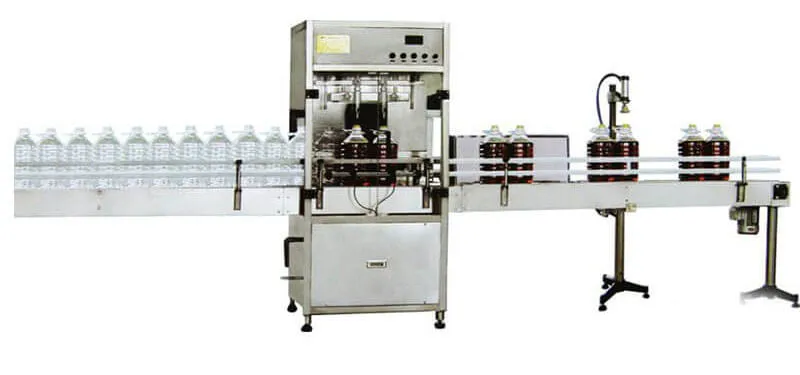
Plan tanks, pumps, piping and cleaning as a connected system from settling to filling.
What this guide helps you decide
- Storage volume should follow batch and turnover, not only total space.
- Pumps and piping are process equipment, not accessories to improvise.
- Drainage and cleaning access affect product handling.
- Batch identification and sampling belong in the storage plan.
Map every oil state
List crude oil after pressing, settled oil, filtered oil, refined oil and finished packaged oil. Each stream may need a different vessel, transfer route and cleaning standard.
Size tanks around turnover
Start with batch size, daily output, filling frequency and required buffer. Very large tanks can reduce turnover and make cleaning or product changeover more difficult.
Write down the assumptions behind every capacity, output or quality claim before comparing quotations.
Design the transfer route
Height, distance, viscosity, lift and pressure drop determine the pump duty. Piping should be drainable, clearly identified and arranged to avoid unnecessary dead legs.
Plan cleaning and sampling
Tanks need vent, drain, access and sampling arrangements appropriate to the product. The cleaning method should be defined together with the vessel and piping layout.
Protect against overflow and spill
Level indication, overflow routes, bunding and emergency stop should be discussed with the tank and pump supplier. A manual dipstick alone may not be adequate.
Coordinate storage with filling
A filler needs a stable oil supply. Confirm buffer volume, transfer pressure, line size and how the filler will be stopped if oil is unavailable or a container jam occurs.
Comparison and project inputs
| Item | Information to define |
|---|---|
| Tank volume | Batch, working volume, minimum outlet and turnover |
| Material | Oil-contact requirement and cleaning method |
| Pump | Flow, viscosity, lift and control |
| Piping | Route, slope, drains, valves and identification |
Buyer checklist
- Representative raw material, oil or container sample
- Target daily input or output and operating schedule
- Destination power and utility information
- Finished-product route and market requirements to verify
- Available workspace, existing equipment and planned expansion
Questions to discuss before committing
Can storage tanks be added after the press is running?
They can, but space, floor loading, transfer height and filling access should be considered early.
How many tanks are needed?
That depends on process stages, batch separation, cleaning and finished-product inventory. Map the actual streams before deciding.
Does a stainless tank guarantee product quality?
No. Material is only one factor. Cleaning, turnover, temperature, sampling and handling also matter.
View the related equipment page · Discuss your project · Explore equipment · Open the setup planner