Material and preparation
Tell us which seed, crude oil or finished product you will process, and how it will enter this stage.

Specify finished-oil storage around volume, material compatibility, transfer and sanitation.
Confirm the equipment configuration, raw material and destination requirements with our team before ordering.
Storage is part of the production system. A tank selected only by volume can create problems with filling access, cleaning, temperature, transfer or traceability later.
Use this path when filtered or refined oil needs a defined buffer between production, storage and filling, or when batch separation and inventory control require a dedicated vessel.
The tank holds oil in a controlled vessel with inlet, outlet, vent and cleaning access. Practical suitability depends on material, surface finish, headspace, outlet geometry and how the tank is integrated with pumps and filling.
Filling performance depends on the oil supply, container, fill control and downstream handling. Storage and transfer equipment are part of the same system because unstable supply or poor drainage will show up as filling variation.
Commercial boundary: equipment photographs, reference layouts and research images are not confirmation of a supplied model, site design or measured performance. Compare quotations against written inputs and a defined scope.
How is tank size selected?
Start with batch size, daily output, buffer time and filling frequency. Oversizing can reduce turnover and complicate cleaning.
Are pumps and level controls included?
Not necessarily. Confirm every accessory in the quotation.
Equipment photographs are reference material until the supplied model, configuration and performance have been confirmed in a project quotation.
Discuss this equipment · Compare processing equipment · Plan a modular setup
| Specification | Information to confirm | Why it matters |
|---|---|---|
| Equipment type | Stainless Steel Oil Storage Tank | |
| Process stage | Oil Storage | |
| Required project inputs | Material, volume, schedule, utilities and finished-product target | |
| Configuration status | Model, accessories and performance to be confirmed in quotation | |
| Included scope | To be itemized by the supplier | |
| Electrical configuration | Confirm destination voltage, frequency and phase | |
| Installation checks | Dimensions, access, foundation, utilities and operator workflow | |
| After-sales scope | Commissioning, training, warranty and spare parts to be confirmed |
Use these points to prepare a clear equipment enquiry and compare suitable configurations.
Tell us which seed, crude oil or finished product you will process, and how it will enter this stage.
Share your daily input, working hours and intended output so the equipment scope can be discussed.
Confirm your local power supply, available workspace and the equipment connected before and after this stage.
Discuss installation guidance, operator training, maintenance requirements and spare parts when requesting a quotation.
These guides introduce the wider production process. Confirm the suitability of this product for your material with our team.
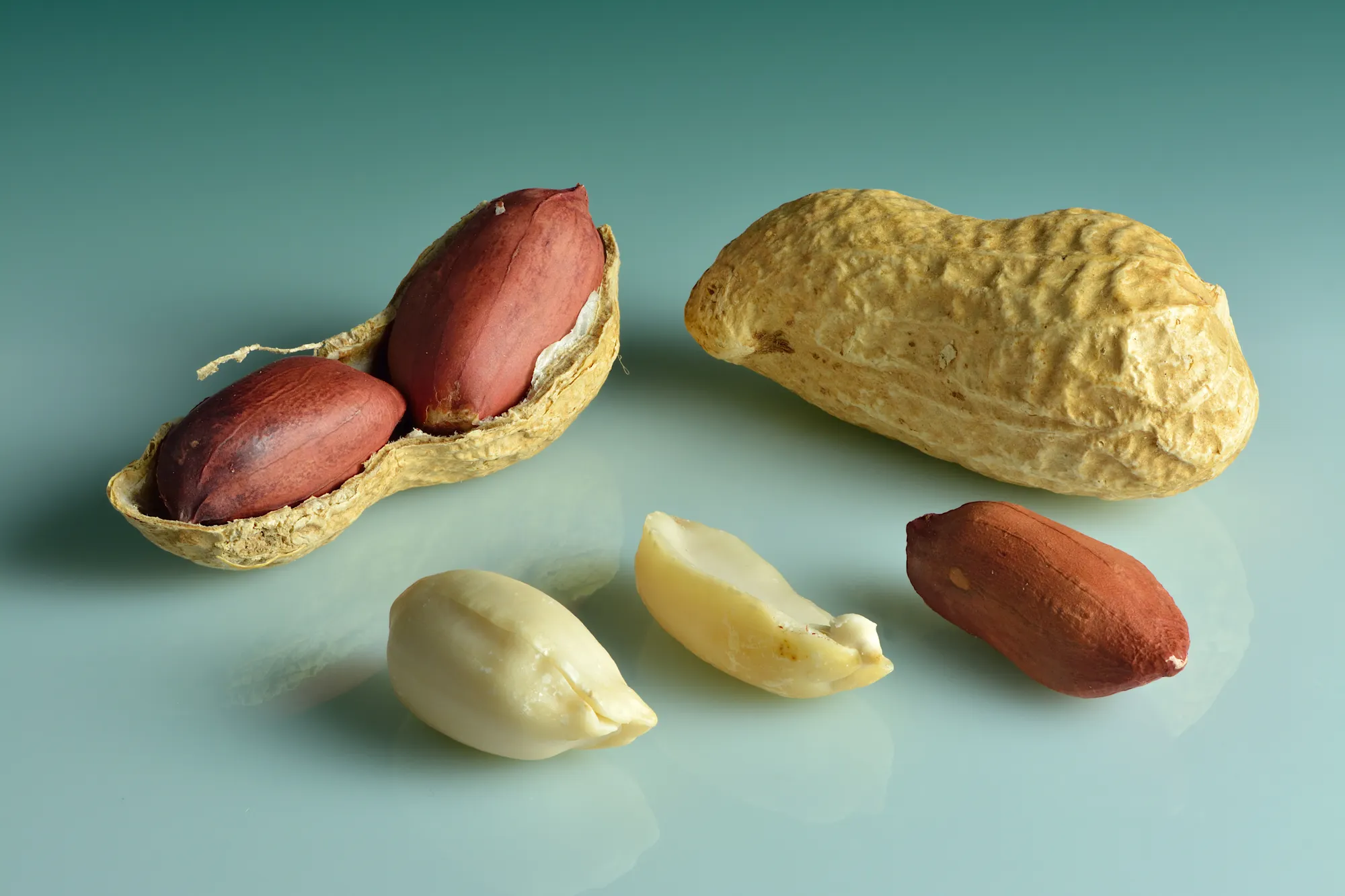
Plan peanut oil equipment from the incoming material and the oil product you intend to sell. Start with a practical single-machine scope or connect the required stages as a modular workshop.
Explore the solution ↗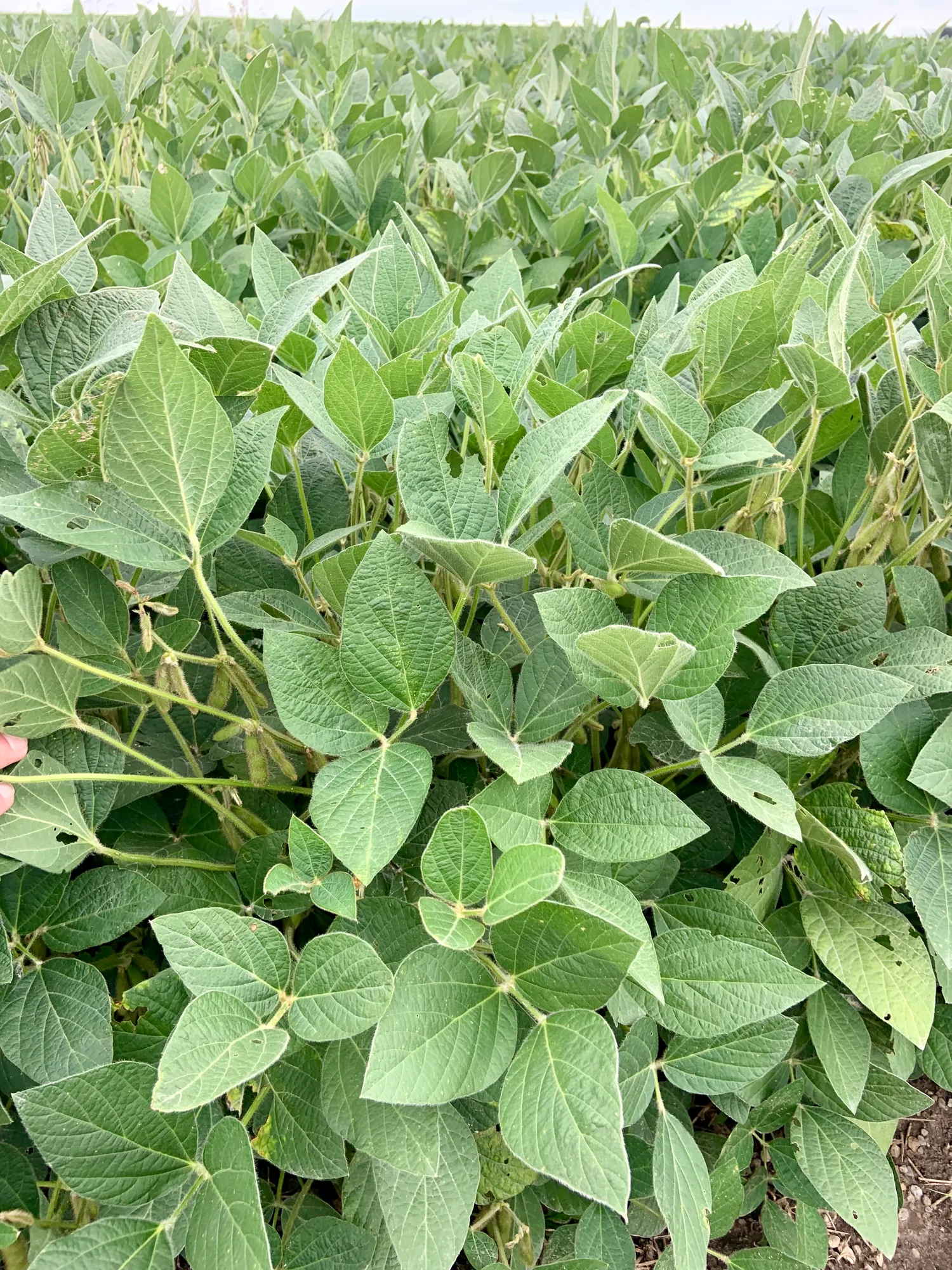
Plan soybean oil equipment from the incoming material and the oil product you intend to sell. Start with a practical single-machine scope or connect the required stages as a modular workshop.
Explore the solution ↗
Plan sunflower oil equipment from the incoming material and the oil product you intend to sell. Start with a practical single-machine scope or connect the required stages as a modular workshop.
Explore the solution ↗Start with batch size, daily output, buffer time and filling frequency. Oversizing can reduce turnover and complicate cleaning.
Not necessarily. Confirm every accessory in the quotation.
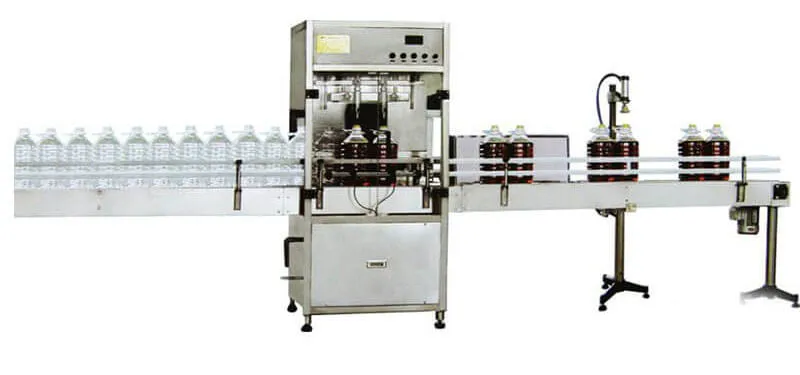
Connect closure, labelling and packing decisions to the actual bottle format and production schedule.
View equipment ↗A practical filling enquiry for small oil businesses using defined bottle and container formats.
View equipment ↗Connect storage, filtration and filling with a defined transfer arrangement and safe operating controls.
View equipment ↗