
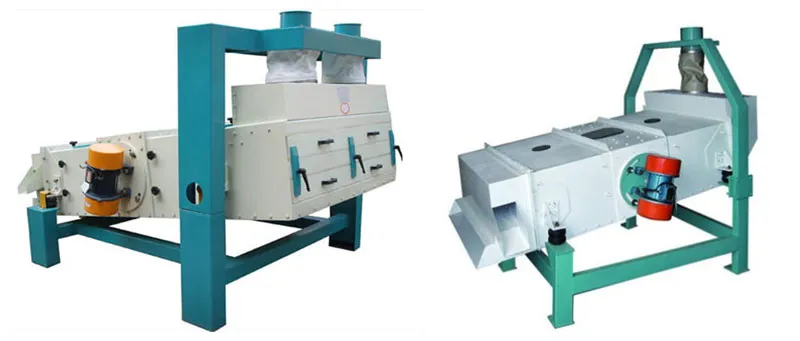
Inspect the incoming crop and plan screening, stone separation and clean handling before selecting the press.
Inspect a representative delivery
Look beyond a clean sample taken from the top of one bag. Ask how incoming deliveries will be checked and record the seed condition and typical foreign material so equipment discussions reflect ordinary supplies.
Assign each cleaning task
Screens separate by size; other separation arrangements address different material properties. Describe the contaminants you need to remove and ask which equipment stage addresses each one. Keep the rejected streams visible for inspection.
Include storage and movement
Plan where accepted seed, rejected material and cleaned seed will be held. Avoid mixing the cleaned stream with incoming material. Make the path to the next machine clear before selecting conveyors and bins.
Make checks repeatable
Create a receiving form with the delivery date, supplier, condition observations and any rejection reason. A simple record helps the operator recognise changes that may later appear as a pressing problem.
Prepare these details
- Incoming crop condition
- Foreign material and separation tasks
- Clean and unclean handling areas
- Receiving and inspection records
Discuss a practical configuration
Send your material, required input, working schedule, country and available power supply. We can use that brief to discuss a single machine, a coordinated workshop setup or a future production line.
View related equipment · Explore raw-material solutions · Discuss your project