Material and preparation
Tell us which seed, crude oil or finished product you will process, and how it will enter this stage.

Discuss screening and stone removal before material reaches the press.
Confirm the equipment configuration, raw material and destination requirements with our team before ordering.
Cleaning is an early equipment decision because foreign material can affect product handling and equipment operation. Screening and gravity separation perform different tasks and need to be matched to the crop.
Provide a seed sample or photographs showing typical contamination. Ask for screen options, dust collection requirements and the route taken by removed stones and light material. Arrange safe access for inspecting the separated streams during operation.
Send your raw material or oil type, required input per working day, planned operating hours, destination country and available power supply. Include photographs of existing equipment and explain the product you intend to sell.
Discuss this equipment · Compare processing equipment · Plan a modular setup
Equipment photographs are external design references for this initial catalogue. The available manufacturer, model, configuration and performance require confirmation in a project quotation.
This machine is one stage in a material-specific preparation route. The correct preparation scope should be derived from the incoming oilseed and the requirements of the following press.
What test conditions support the stated performance?
Ask for the material, preparation, operating time and measurement basis. A number without these assumptions cannot be compared reliably.
What is included beyond the main machine?
Confirm feed and discharge equipment, controls, installation materials, commissioning, training and spare parts.
What information is still missing?
Do not treat a catalogue photograph or reference layout as a confirmed design for your site.
Preparation equipment changes the physical condition of the feed so the next stage can operate consistently. Its value comes from the controlled output, not from adding another machine to the line.
Commercial boundary: equipment photographs, reference layouts and research images are not confirmation of a supplied model, site design or measured performance. Compare quotations against written inputs and a defined scope.
| Specification | Information to confirm | Why it matters |
|---|---|---|
| Equipment type | Oilseed Cleaner & Destoner | |
| Process stage | Preparation | |
| Purchase scope | Single equipment unit or a coordinated modular setup | |
| Capacity basis | Confirm input material, preparation and operating hours in the quotation | |
| Electrical configuration | Confirm destination voltage, frequency and phase | |
| Reference status | External equipment design; supplied model to be confirmed | |
| Required project inputs | Material, volume, schedule, utilities and finished-product target | |
| Configuration to confirm | Model, included scope, utilities and performance basis | |
| Quality and handover | Sampling, acceptance checks, training and spare-parts scope |
Use these points to prepare a clear equipment enquiry and compare suitable configurations.
Tell us which seed, crude oil or finished product you will process, and how it will enter this stage.
Share your daily input, working hours and intended output so the equipment scope can be discussed.
Confirm your local power supply, available workspace and the equipment connected before and after this stage.
Discuss installation guidance, operator training, maintenance requirements and spare parts when requesting a quotation.
These guides introduce the wider production process. Confirm the suitability of this product for your material with our team.
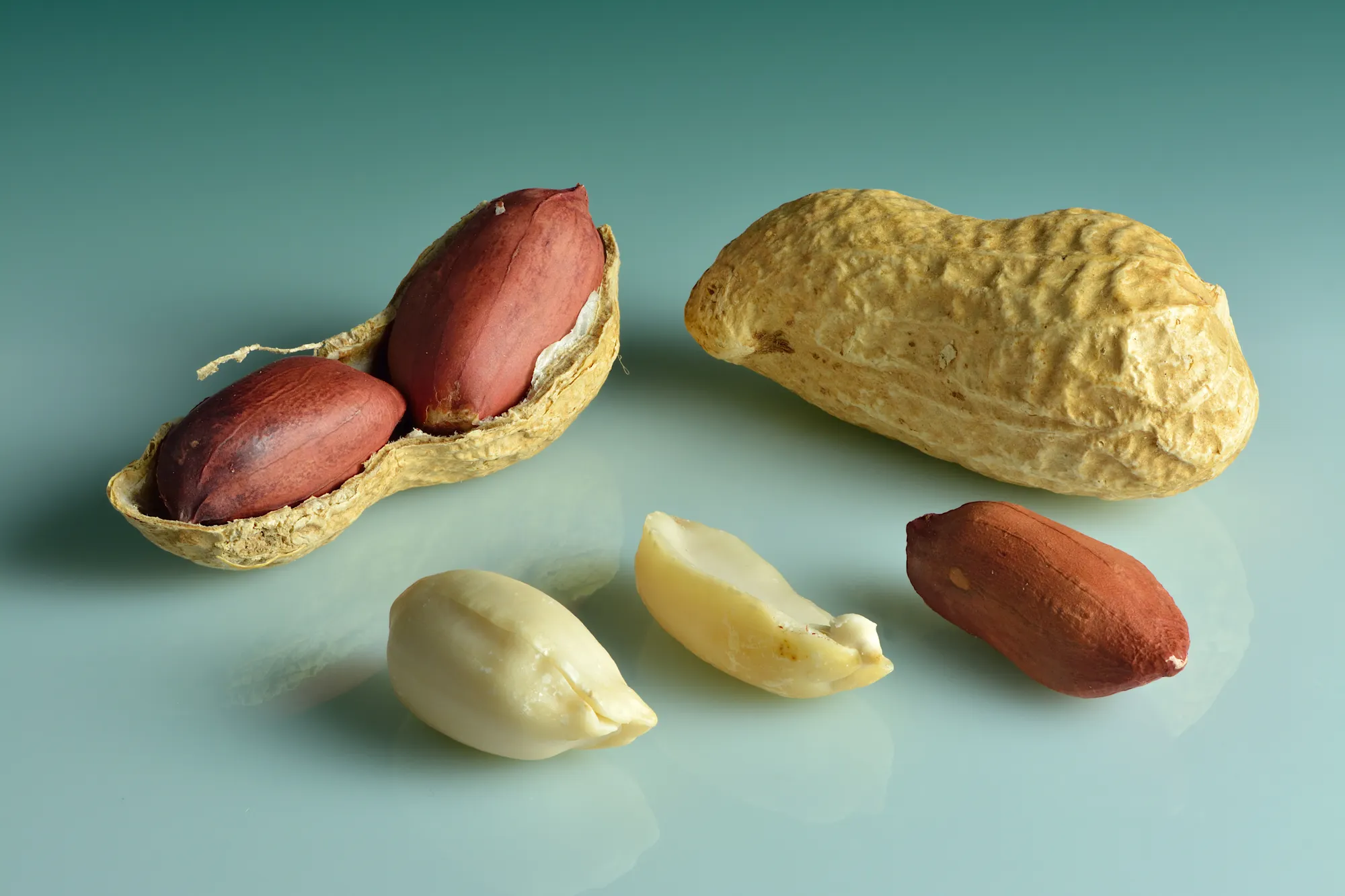
Plan peanut oil equipment from the incoming material and the oil product you intend to sell. Start with a practical single-machine scope or connect the required stages as a modular workshop.
Explore the solution ↗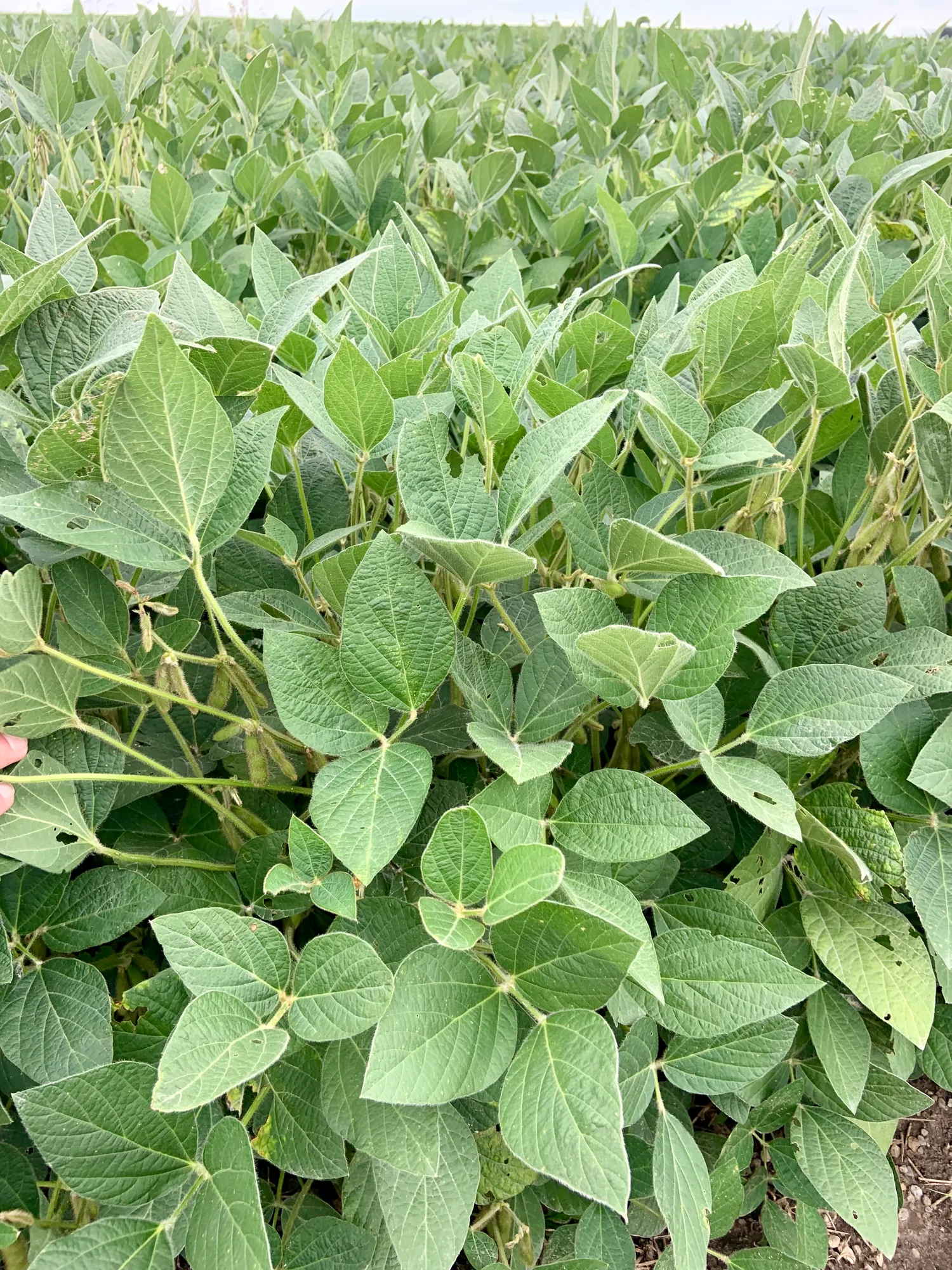
Plan soybean oil equipment from the incoming material and the oil product you intend to sell. Start with a practical single-machine scope or connect the required stages as a modular workshop.
Explore the solution ↗
Plan sunflower oil equipment from the incoming material and the oil product you intend to sell. Start with a practical single-machine scope or connect the required stages as a modular workshop.
Explore the solution ↗Identify the incoming seed condition first. Cleaning, shelling, size reduction and heating are separate tasks; include only the stages needed by the agreed material and pressing route.
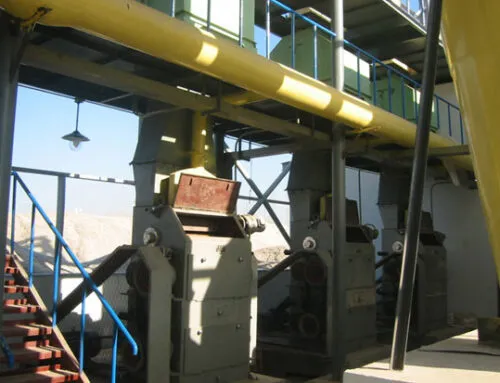
Size press cake for sale, storage or a later application with a material-specific crushing stage.
View equipment ↗
Plan controlled moisture and temperature conditioning before a selected pressing route.
View equipment ↗
Protect downstream preparation and pressing equipment by planning magnetic removal at the right transfer point.
View equipment ↗