Material and preparation
Tell us which seed, crude oil or finished product you will process, and how it will enter this stage.

Plan copra preparation, pressing, filtration and optional finishing around the intended coconut-oil product.
Confirm the equipment configuration, raw material and destination requirements with our team before ordering.
Coconut oil can follow different routes depending on whether the feed is fresh coconut, dried copra or another prepared material, and on whether the product is filtered, refined or packed for retail.
Use this path when the project can define its coconut raw material, moisture condition, expected input and finished-oil route before comparing presses and downstream stages.
Dried copra is typically cleaned, size-reduced and conditioned before pressing, followed by clarification and storage or further treatment. Fresh-coconut routes can involve different preparation and separation decisions, so the raw material must be stated first.
A complete line is a capacity and material-flow design, not a shopping list. Each module should have a defined input, output, buffer and quality check, and the line should remain controllable when one stage stops.
Commercial boundary: equipment photographs, reference layouts and research images are not confirmation of a supplied model, site design or measured performance. Compare quotations against written inputs and a defined scope.
Can fresh coconut and copra use the same line?
Do not assume so. The preparation, moisture and separation requirements can differ significantly.
What should be confirmed first?
Define the exact raw material and finished-oil product before selecting equipment stages.
Equipment photographs are reference material until the supplied model, configuration and performance have been confirmed in a project quotation.
Discuss this equipment · Compare processing equipment · Plan a modular setup
| Specification | Information to confirm | Why it matters |
|---|---|---|
| Equipment type | Coconut Oil Production Line | |
| Process stage | Complete Processing Line | |
| Required project inputs | Material, volume, schedule, utilities and finished-product target | |
| Configuration status | Model, accessories and performance to be confirmed in quotation | |
| Included scope | To be itemized by the supplier | |
| Electrical configuration | Confirm destination voltage, frequency and phase | |
| Installation checks | Dimensions, access, foundation, utilities and operator workflow | |
| After-sales scope | Commissioning, training, warranty and spare parts to be confirmed |
Use these points to prepare a clear equipment enquiry and compare suitable configurations.
Tell us which seed, crude oil or finished product you will process, and how it will enter this stage.
Share your daily input, working hours and intended output so the equipment scope can be discussed.
Confirm your local power supply, available workspace and the equipment connected before and after this stage.
Discuss installation guidance, operator training, maintenance requirements and spare parts when requesting a quotation.
These guides introduce the wider production process. Confirm the suitability of this product for your material with our team.
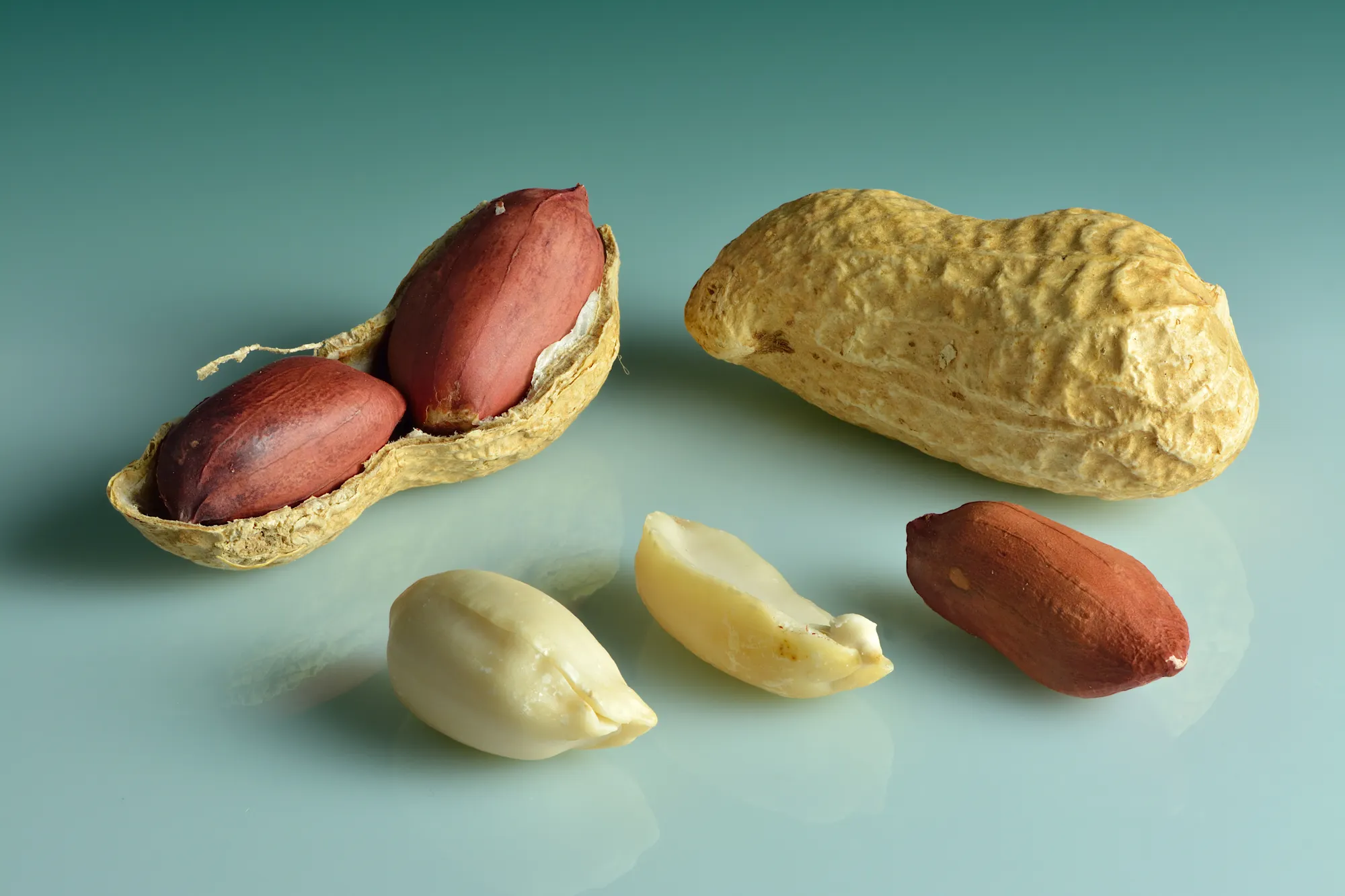
Plan peanut oil equipment from the incoming material and the oil product you intend to sell. Start with a practical single-machine scope or connect the required stages as a modular workshop.
Explore the solution ↗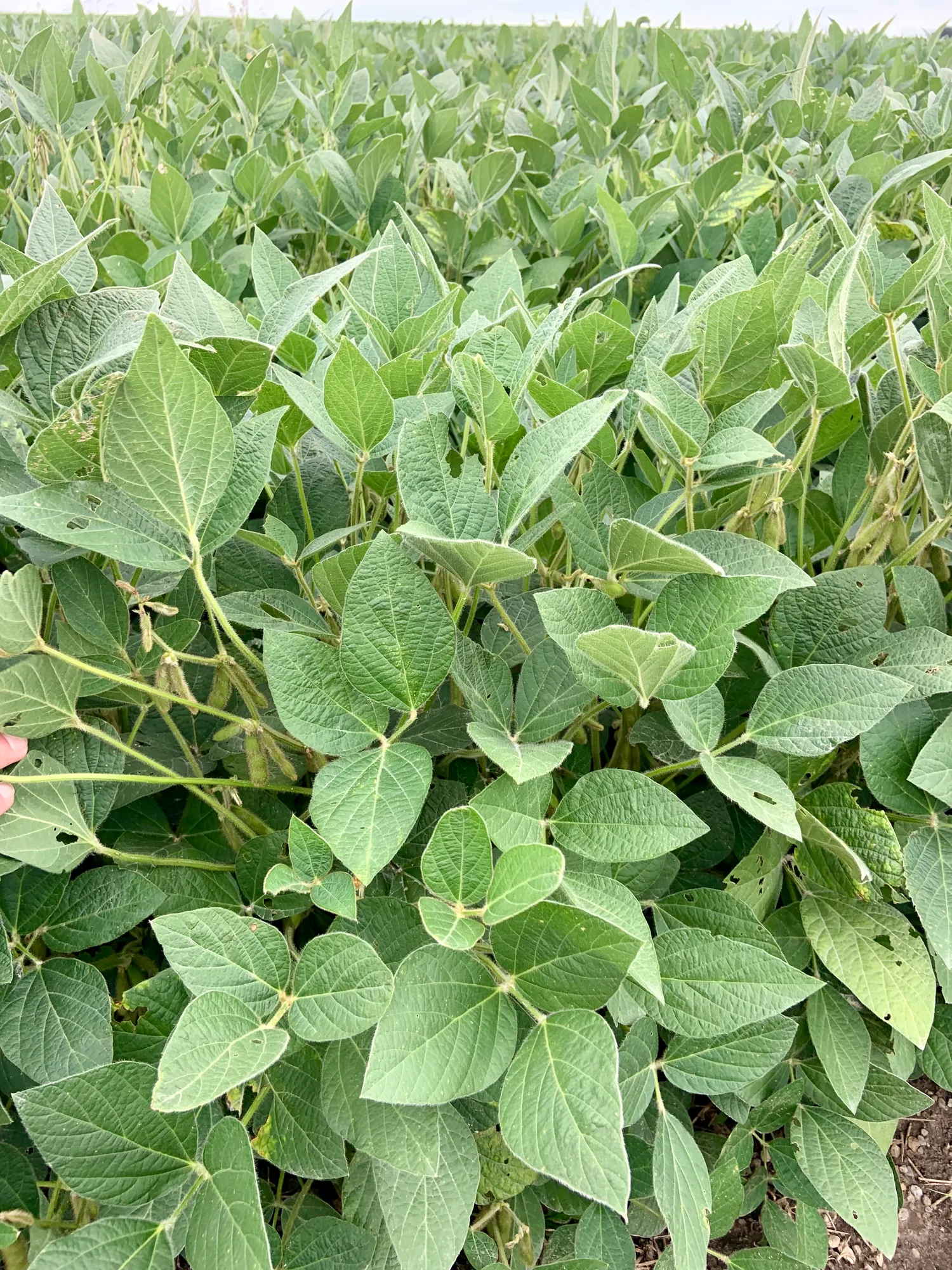
Plan soybean oil equipment from the incoming material and the oil product you intend to sell. Start with a practical single-machine scope or connect the required stages as a modular workshop.
Explore the solution ↗
Plan sunflower oil equipment from the incoming material and the oil product you intend to sell. Start with a practical single-machine scope or connect the required stages as a modular workshop.
Explore the solution ↗Do not assume so. The preparation, moisture and separation requirements can differ significantly.
Define the exact raw material and finished-oil product before selecting equipment stages.
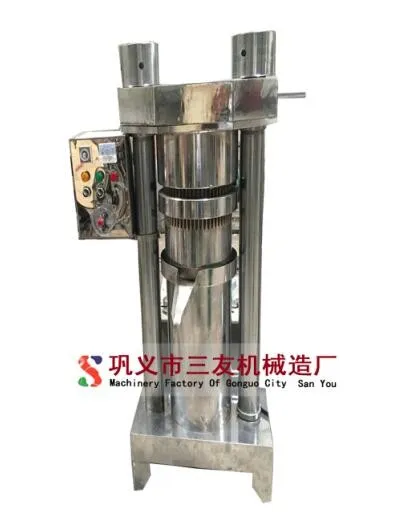
Coordinate sesame cleaning, roasting, pressing, filtration and packaging around the intended product style.
View equipment ↗
Plan sunflower cleaning, dehulling, preparation, pressing and downstream stages as one practical flow.
View equipment ↗Configure soybean preparation, pressing, filtration and optional refining around a defined production plan.
View equipment ↗