Material and preparation
Tell us which seed, crude oil or finished product you will process, and how it will enter this stage.

Plan a low-temperature pressing route around the material, oil condition and realistic throughput.
Confirm the equipment configuration, raw material and destination requirements with our team before ordering.
Cold pressing describes an operating objective around material temperature and process control. It is not a performance guarantee created by a machine name alone.
Use this enquiry path when the finished-oil concept depends on avoiding a high-temperature conditioning step and the project can define acceptable material preparation, throughput and downstream handling.
A screw-press chamber compresses prepared oilseed while oil drains through the cage and oil cake leaves at the discharge. Temperature, screw geometry, clearance, feed rate and material condition all influence the operating result, so the complete pressing route must be discussed rather than the temperature label on its own.
Pressing performance is created by the interaction of material preparation, feed consistency, chamber geometry, pressure or screw configuration, temperature and the downstream collection route. A model name or motor rating cannot describe that interaction on its own.
Commercial boundary: equipment photographs, reference layouts and research images are not confirmation of a supplied model, site design or measured performance. Compare quotations against written inputs and a defined scope.
Is every screw press suitable for cold pressing?
No. Suitability depends on the material, screw configuration, cooling or temperature control, feed rate and expected product. Ask for a demonstration using representative material.
Does cold pressing remove the need for filtration?
No. Pressed oil can contain suspended solids. The clarification and storage route still needs to be planned for the finished product.
Equipment photographs are reference material until the supplied model, configuration and performance have been confirmed in a project quotation.
Discuss this equipment · Compare processing equipment · Plan a modular setup
| Specification | Information to confirm | Why it matters |
|---|---|---|
| Equipment type | Cold Press Oil Machine | |
| Process stage | Oil Pressing | |
| Required project inputs | Material, volume, schedule, utilities and finished-product target | |
| Configuration status | Model, accessories and performance to be confirmed in quotation | |
| Included scope | To be itemized by the supplier | |
| Electrical configuration | Confirm destination voltage, frequency and phase | |
| Installation checks | Dimensions, access, foundation, utilities and operator workflow | |
| After-sales scope | Commissioning, training, warranty and spare parts to be confirmed |
Use these points to prepare a clear equipment enquiry and compare suitable configurations.
Tell us which seed, crude oil or finished product you will process, and how it will enter this stage.
Share your daily input, working hours and intended output so the equipment scope can be discussed.
Confirm your local power supply, available workspace and the equipment connected before and after this stage.
Discuss installation guidance, operator training, maintenance requirements and spare parts when requesting a quotation.
These guides introduce the wider production process. Confirm the suitability of this product for your material with our team.
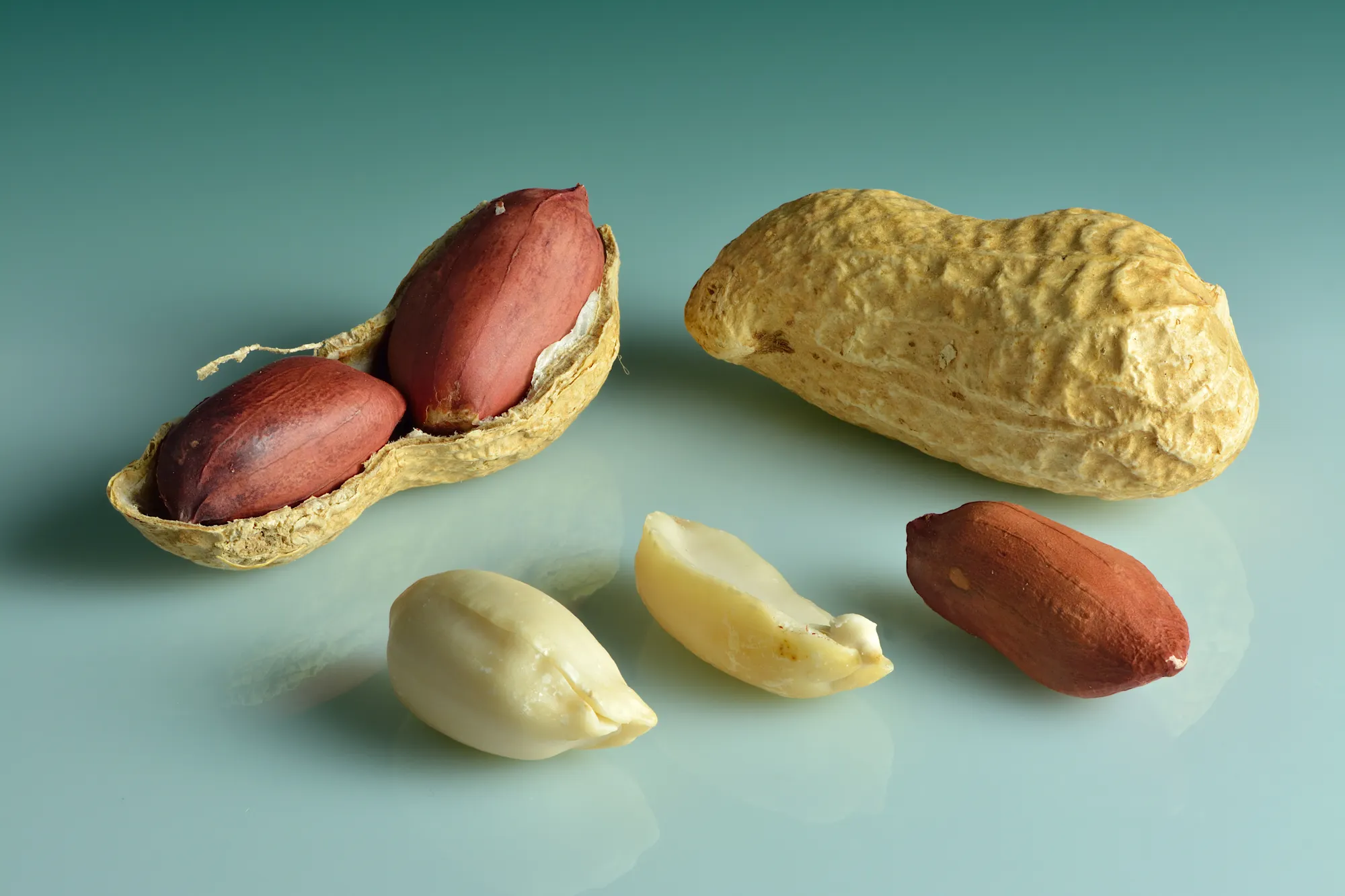
Plan peanut oil equipment from the incoming material and the oil product you intend to sell. Start with a practical single-machine scope or connect the required stages as a modular workshop.
Explore the solution ↗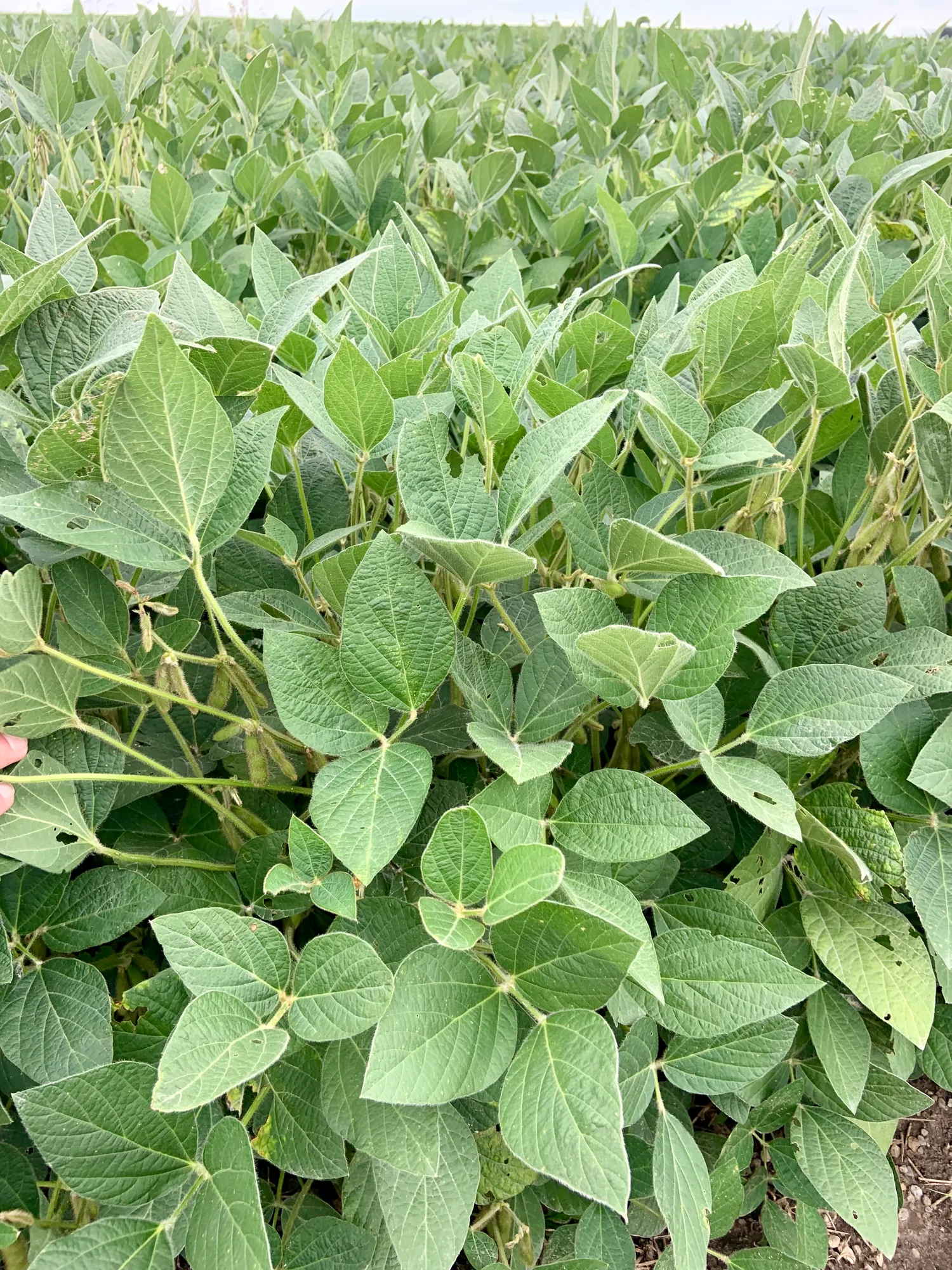
Plan soybean oil equipment from the incoming material and the oil product you intend to sell. Start with a practical single-machine scope or connect the required stages as a modular workshop.
Explore the solution ↗
Plan sunflower oil equipment from the incoming material and the oil product you intend to sell. Start with a practical single-machine scope or connect the required stages as a modular workshop.
Explore the solution ↗No. Suitability depends on the material, screw configuration, cooling or temperature control, feed rate and expected product. Ask for a demonstration using representative material.
No. Pressed oil can contain suspended solids. The clarification and storage route still needs to be planned for the finished product.
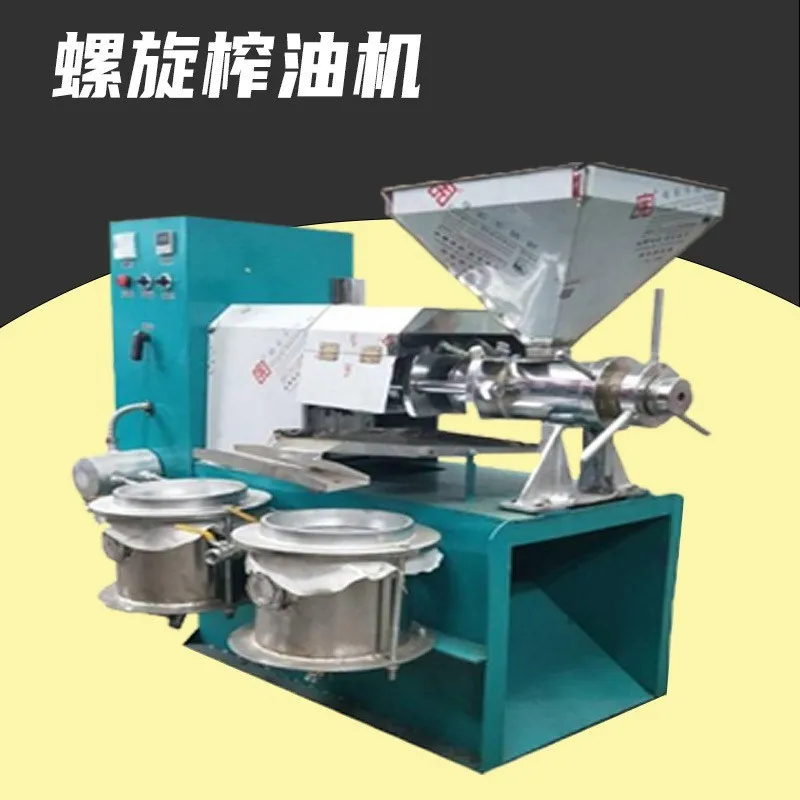
Discuss palm-kernel preparation, pressing wear and downstream handling as one material-specific route.
View equipment ↗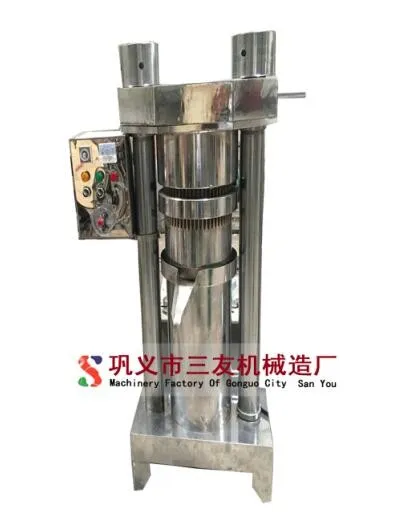
Evaluate batch hydraulic pressing for specialty oils, small batches and controlled material loading.
View equipment ↗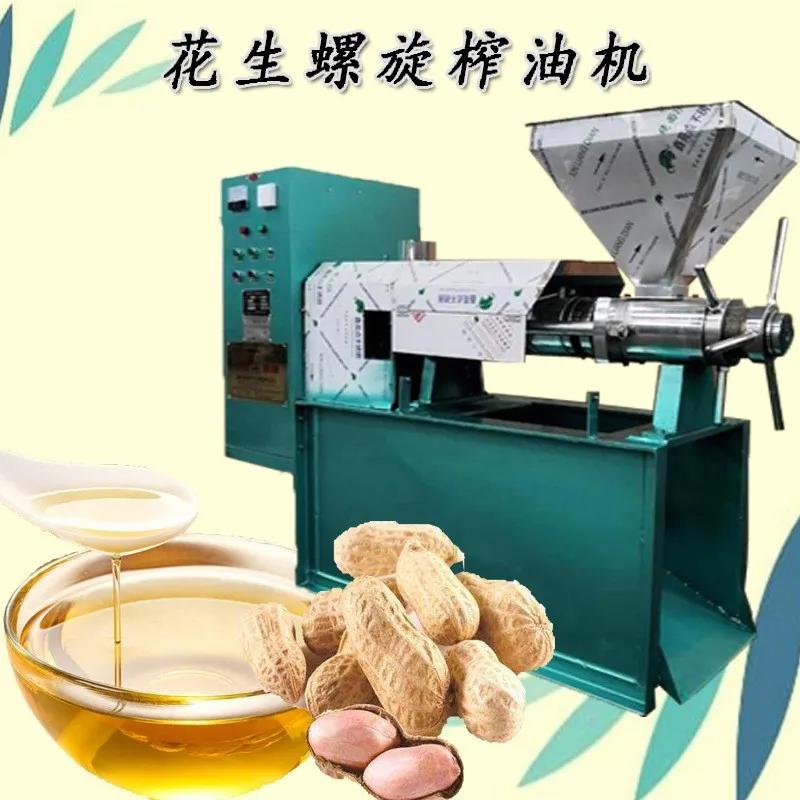
Compare a compact screw-press configuration for a first workshop.
View equipment ↗